
How Speech Therapy Can Help Children with Autism Develop Communication Skills

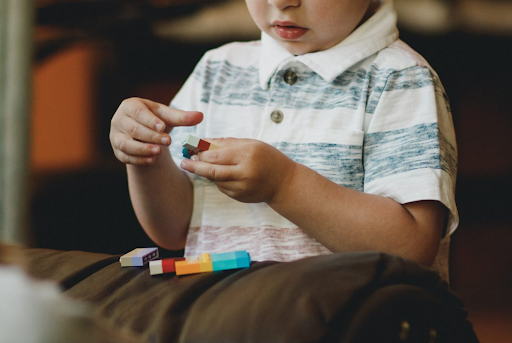
Speech therapy plays an essential role in helping children with autism navigate communication challenges. Autism spectrum disorder (ASD) often impacts a child's ability to understand and use language, making it difficult to express themselves or interact with others. Speech therapy focuses on developing these communication skills, enabling children to communicate more effectively in everyday situations.
Understanding what speech therapy for autism involves helps parents and caregivers see the importance of early intervention in supporting their child's development. Through various techniques, speech therapists address common issues such as speech delays, non-verbal communication, and social interaction, providing children with the tools they need to connect with others and thrive.
Common Communication Challenges in Children with Autism
Children with autism often experience challenges with communication, such as delayed speech and difficulty understanding non-verbal cues. These struggles can make it hard for them to express their needs and engage in social interactions. Early intervention through speech therapy can help improve these skills, fostering better communication and connection with others.
1. Delayed Speech Development
Children with autism often experience delays in speech development. While some children may not begin speaking until later in life, others may struggle to form words or sentences. This delay can make it hard for them to communicate their needs or express feelings. Speech therapy focuses on helping children with autism develop the ability to use words effectively, allowing them to engage in meaningful conversations and express their thoughts.
2. Difficulty with Non-Verbal Communication
Non-verbal communication, such as gestures, facial expressions, and eye contact, is another area where children with autism may face challenges. They may struggle to understand the non-verbal cues of others or have difficulty using gestures themselves to communicate. Speech therapy addresses these issues by teaching children to recognise and use non-verbal signals, improving their overall ability to communicate with those around them.
3. Social Communication Deficits
Many children with autism have difficulties with social communication. This may involve problems with initiating conversations, taking turns during discussions, or understanding social cues like tone of voice or body language. These deficits can lead to isolation or frustration in social settings. Speech therapy helps children with autism develop the skills needed for smoother social interactions, making it easier for them to form relationships and engage with their peers.
Repetitive or Rigid Language
Some children with autism may use repetitive phrases or have a limited range of topics they talk about, often repeating the same words or ideas. This rigidity in language can make it challenging for them to adapt to new conversations or engage in flexible thinking during interactions. Speech therapy can help expand their vocabulary and teach them how to use language more flexibly, encouraging more natural conversations.
Difficulty Understanding Abstract Concepts
Children with autism may struggle with understanding abstract language, such as idioms, metaphors, or sarcasm. These abstract concepts can be confusing and make it harder for them to follow conversations or grasp figurative meanings. Through speech therapy, children learn how to interpret and use more abstract forms of communication, improving their ability to comprehend and participate in a wider range of social interactions.
How Speech Therapy Benefits Children with Autism
Speech therapy offers significant benefits for children with autism, helping them improve both verbal and non-verbal communication skills. It provides strategies to enhance speech clarity, understand social cues, and express needs effectively. Through consistent therapy, children with autism can build stronger communication abilities, leading to greater independence and improved social interactions.
Improving Verbal Communication
One of the key goals of speech therapy for autism is to help children develop their verbal communication skills. Through structured exercises and consistent practice, children gradually improve their ability to express themselves more clearly.
Forming Words and Sounds
Therapists work with children to help them form sounds and words correctly. This process involves repetition and modelling to encourage correct speech patterns. Over time, children become more confident in producing sounds and words.
Constructing Sentences
Once children are comfortable with individual words, the focus shifts to sentence construction. Therapists guide children in forming simple sentences, teaching them how to communicate thoughts and needs effectively. This step enhances their ability to engage in conversations.
Alternative Communication Methods
For non-verbal children, therapists introduce tools like visual aids or sign language to support communication. These methods offer children alternative ways to express their thoughts while continuing to work on verbal skills.
Strengthening Non-Verbal Communication
Speech therapy also focuses on helping children with autism develop non-verbal communication skills, which are essential for meaningful interactions. Non-verbal cues like gestures and facial expressions are important tools for effective communication.
Using Gestures
Therapists teach children how to use gestures like pointing or waving to communicate their needs. This gives children another way to express themselves when words may be difficult. Over time, they learn to rely on gestures to support their verbal communication.
Reading Facial Expressions
Understanding facial expressions is a critical part of non-verbal communication. Therapists help children interpret different expressions, allowing them to better understand emotions and respond appropriately in social situations.
Maintaining Eye Contact
Eye contact is another key element of communication. Therapists encourage children to practise maintaining eye contact during interactions, which strengthens their social presence and engagement.
Supporting Social Interaction
Communication is key to social interaction, and many children with autism find it difficult to engage in social situations. Speech therapy addresses these challenges by teaching children the rules of social communication, such as taking turns in conversation, understanding personal space, and interpreting the tone of voice. Through guided practice and role-playing, therapists help children build the skills they need to connect with others, reducing the social barriers that many children with autism face.
Techniques Used in Speech Therapy for Autism
Speech therapy for autism uses techniques like PECS and AAC to help non-verbal children communicate. Therapists also focus on improving social interaction and understanding social cues. These methods enhance both verbal and non-verbal communication skills.
1. Picture Exchange Communication System (PECS)
The Picture Exchange Communication System (PECS) is a widely-used technique in speech therapy for children with autism. It involves the use of picture cards to help children communicate their needs and desires. Children learn to select and present pictures to convey a message, such as wanting a snack or needing a toy. This technique is especially helpful for non-verbal children, allowing them to express themselves even before they can speak.
2. Augmentative and Alternative Communication (AAC)
Augmentative and Alternative Communication (AAC) tools are designed to support children who struggle with verbal communication. AAC includes devices like speech-generating tablets or apps that help children express themselves using symbols, pictures, or typed words. These tools provide an alternative means of communication, helping children participate in conversations and activities more independently. AAC can be a powerful resource in speech therapy for autism, enabling children to communicate more effectively in various settings.
3. Social Communication Training
Social communication training is another key technique used in speech therapy for children with autism. This approach focuses on teaching children the social rules of communication, such as greeting others, asking questions, and understanding non-verbal cues. Role-playing exercises, group activities, and guided conversations are often used to help children practise these skills in a safe and supportive environment. Over time, this training helps children feel more comfortable and confident in social situations.
Long-Term Benefits of Speech Therapy for Children with Autism
Speech therapy offers lasting benefits for children with autism, helping them communicate more independently over time. It enhances both social interaction and language skills, leading to greater confidence. Long-term, these improvements boost academic performance and social relationships.
Building Independence in Communication
One of the key long-term benefits of speech therapy for autism is helping children become more independent in their communication. As children strengthen both verbal and non-verbal skills, they gain the ability to express their thoughts and needs more confidently.
1. Expressing Needs Clearly
Children learn to express their needs and desires without relying on others to guess or interpret. This newfound independence allows them to communicate more effectively in different settings. Over time, they become more comfortable sharing their thoughts and feelings.
2. Navigating Social Interactions
Speech therapy equips children with the tools to navigate social interactions with peers, teachers, and family members. This independence helps them participate more fully in conversations and social activities. They are able to build stronger relationships as a result.
3. Advocating for Themselves
With improved communication skills, children can advocate for their needs in school, at home, and in the community. They develop a stronger sense of self and the ability to engage more confidently in daily life, contributing to their overall growth and development.
Enhancing Quality of Life
Effective communication is essential for building relationships, succeeding in school, and participating in everyday activities. For children with autism, the ability to communicate confidently can significantly enhance their quality of life. Speech therapy helps remove communication barriers, enabling children to express their feelings, share their ideas, and engage in meaningful interactions.
Your Child’s Journey to Better Communication with The Speech Practice
At The Speech Practice, we offer specialised speech therapy for children with autism to enhance their communication and social skills. Our tailored approach helps children express themselves more confidently and achieve greater independence.Reach out today to learn how early intervention can make a lasting difference in your child’s development.