
Common Baby First Words to Launch your Baby's Vocabulary

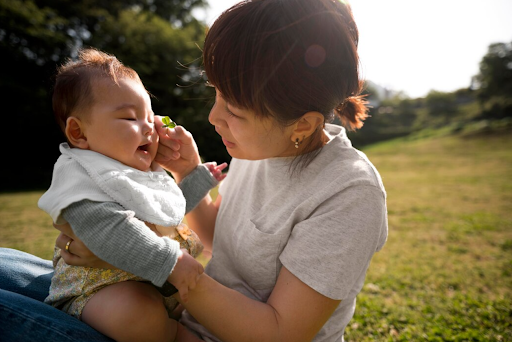
The moment your baby says their first word is a heartwarming milestone. These first words mark the beginning of their communication journey and pave the way for developing social, emotional, and cognitive skills. Understanding which words are easiest for babies to learn and supporting their progress can make this phase exciting and rewarding.
Learn about the common baby first words, how to nurture your child’s vocabulary, and practical ways to encourage speech development at every stage.
What Are Common Baby First Words?
When babies start talking, their first words are usually simple, easy-to-pronounce, and connected to their everyday experiences. These words often include nouns like "mama," "dada," or "ball," which are meaningful and easy to associate with specific objects or people. Repeating these words frequently, pointing to the object, and using clear pronunciation can help babies pick up their vocabulary faster.
1. "Mama" and "Dada"
These words are not just adorable but also significant for emotional bonding. Babies are likely to say them first as they constantly hear their parents refer to themselves using these terms.
2. Objects Around Them
Words like "ball," "car," and "dog" are often among the first because they are frequently encountered during play or daily activities. Repeating these words while showing the corresponding object strengthens the association for the baby.
3. Basic Requests
Words such as "more," "up," or "no" allow babies to express needs or feelings. These words empower them to participate in conversations, even in their simplest form.
When Do Babies Start Saying Their First Words?
The age at which babies say their first words can vary, but it typically happens between 9 and 14 months. Understanding your baby's readiness to speak involves recognising a few key signs and milestones. While baby first words age varies, active encouragement from parents and caregivers can make the process smoother and more enjoyable for everyone involved.
- Pre-Talking Milestones
Before saying their first words, babies usually babble, coo, and imitate sounds. These vocalisations around the age of 6 months are the foundation for their speech development.
- Baby First Words Age
Most children start with simple, recognisable words, like "mama" or "ball," as they approach their first birthday. While some babies may talk earlier, others might take a little longer, depending on their individual development.
- Encouraging Speech Development
If you notice your baby imitating sounds or looking intently when you name objects, they may be ready to expand their vocabulary. Creating a language-rich environment with consistent interaction can speed up their progress.
How to Support Your Baby’s First Words
Helping your baby develop their vocabulary requires patience, interaction, and exposure to new words. Here are practical strategies to foster their language development.
Talk About Daily Activities
Narrate what you’re doing during simple routines like mealtimes or play. For instance, while feeding, you can say, “This is your spoon” or “The apple is sweet.” Babies absorb words through repetition and association.
Use Books and Songs
Reading picture books and singing rhymes introduce babies to new words in an engaging way. Songs with repetitive phrases, such as "Twinkle, Twinkle Little Star," help them retain words more effectively.
Respond to Their Sounds
If your baby points to an object or makes a sound, respond with enthusiasm and repeat the word clearly. For example, if they gesture toward a dog, say, “Yes, that’s a dog!” This reinforcement encourages them to imitate you.
These interactive approaches not only make learning fun but also ensure that you are building a strong foundation for their communication skills.
Why Interaction is Key to Baby First Words
Interaction plays a vital role in helping babies develop their vocabulary. Babies learn through listening, observing, and imitating. Through consistent interaction, babies become more confident in trying out their first words, enriching their language skills and social bonds. Here are some ways to make interaction more effective:
Face-to-Face Communication
Get down to your baby’s eye level while speaking to them. Seeing your facial expressions helps them mimic sounds and associate words with emotions.
Play-Based Learning
Engaging in games like peek-a-boo or naming toys during playtime encourages verbal exchanges. For instance, saying, "Where’s the ball?" and then pointing it out builds word associations.
Frequent Repetition
Repeating simple phrases, such as "milk for you" or "let's go outside," makes it easier for babies to absorb and recall words over time.
The Importance of First Words for Communication
Your baby’s first words are more than just cute moments—they are essential building blocks for communication. These early words help them express needs, connect with others, and navigate their environment.
- Understanding and Expression
First words allow babies to name objects, convey emotions, and start forming basic sentences. For example, saying “up” to be carried demonstrates an understanding of cause and effect.
- Social Connections
Words like “hi” or “bye” enable babies to engage socially, building confidence in interactions with family and peers.
- Cognitive Growth
Identifying objects through words supports problem-solving and memory, key aspects of their overall cognitive development.
When to Seek Professional Support for Speech Development
If your baby hasn’t started saying their first words beyond the expected baby first words age, it may be helpful to consult a speech and language therapist. While every child develops at their own pace, prolonged delays can sometimes indicate underlying issues.
At The Speech Practice, our speech and language therapy sessions focus on helping babies and toddlers develop communication skills at their own pace. Using playful, interactive methods, our therapists address any delays or difficulties your child may face in reaching their speech milestones. These personalised interventions not only improve vocabulary but also enhance social and emotional development.
The Link Between Speech and Feeding Development
Feeding therapy and speech therapy are closely connected, as both rely on the coordination of oral motor skills. The muscles used for chewing, swallowing, and drinking also play a key role in sound articulation. Supporting oral motor development from an early stage can aid your baby’s speech growth.
How The Speech Practice Can Help Your Child Thrive
At The Speech Practice, we offer a range of specialised services to support your baby’s speech, feeding, and communication needs.
1. Speech and Language Therapy
Designed to assist with vocabulary building and articulation, this therapy focuses on overcoming delays and ensuring your child meets important milestones.
2. Feeding Therapy for Children
Our expert feeding therapists address oral motor challenges and improve your child’s ability to chew, swallow, and enjoy meals with ease. Feeding therapy also complements speech development by strengthening the same set of muscles used for talking.
3. Stuttering Treatment for Kids
For children who experience difficulties with fluency, our stuttering treatment helps them speak more clearly and confidently.
Help Your Baby Find Their Voice with The Speech Practice
Your baby’s first words are a gateway to a world of communication and connection. At The Speech Practice, we provide expert-led services, including speech and feeding therapy, to support your child’s unique development needs. Contact ustoday to schedule a consultation and take the first step towards empowering your baby’s communication journey. Let’s work together to build your child’s confidence and vocabulary!